
Digital Leadership 📊 CAI Leader
Digital Leadership with CAI® Leader
Tools for Everyday Digital Leadership
Digital Leadership: CAI® Leader
Digital leadership is critical for successful business management.
Organizations must leverage the potential of digital transformation, but leaders also need to be empowered to lead digitally.
This increases the demands on leaders – and this is exactly where CAI® World provides support.
Digital Leadership is the Comprehensive Digitalization of Leadership
The foundations of digital leadership include an (organizational) culture aligned with the approaches, attitudes, and values that correspond to professional coaching. This is a core competence of CAI® World.
CAI® World not only creates secure spaces for communication and collaboration but also offers unique support through proven formats, structured processes, interactive tools, and situational question sets. This makes digital leadership noticeably easier – whether in team development, employee dialogues, agile management, or constructive conflict resolution.
Ready to take your digital leadership
to the next level?
Book your personal CAI® Leader license now and experience how proven processes and interactive tools can transform your leadership work.
CAI Leader: Digital Leadership with Visual Clarity
CAI® Leader supports digital leadership through a unique combination of well-founded methodology and intuitive graphical tools. These tools make complex relationships visible, promote strategic thinking, and facilitate communication in transformation processes. Whether for analyzing leadership structures, developing digital competencies, or managing change processes – CAI® Leader provides a platform that enables leaders to create clarity and act effectively. Here is a selection of tools that will accompany you on your path to digital excellence.
Employee Interview
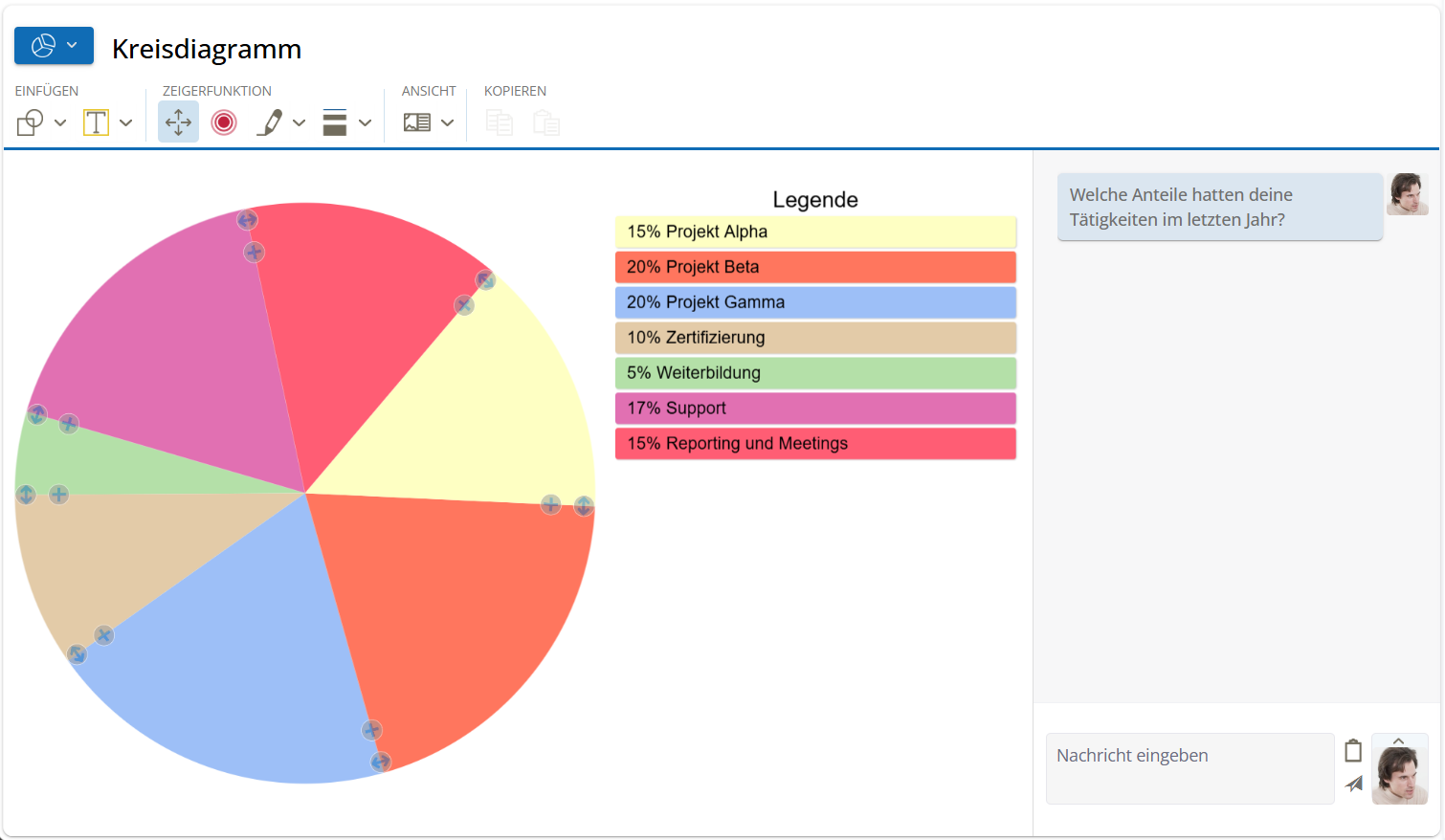
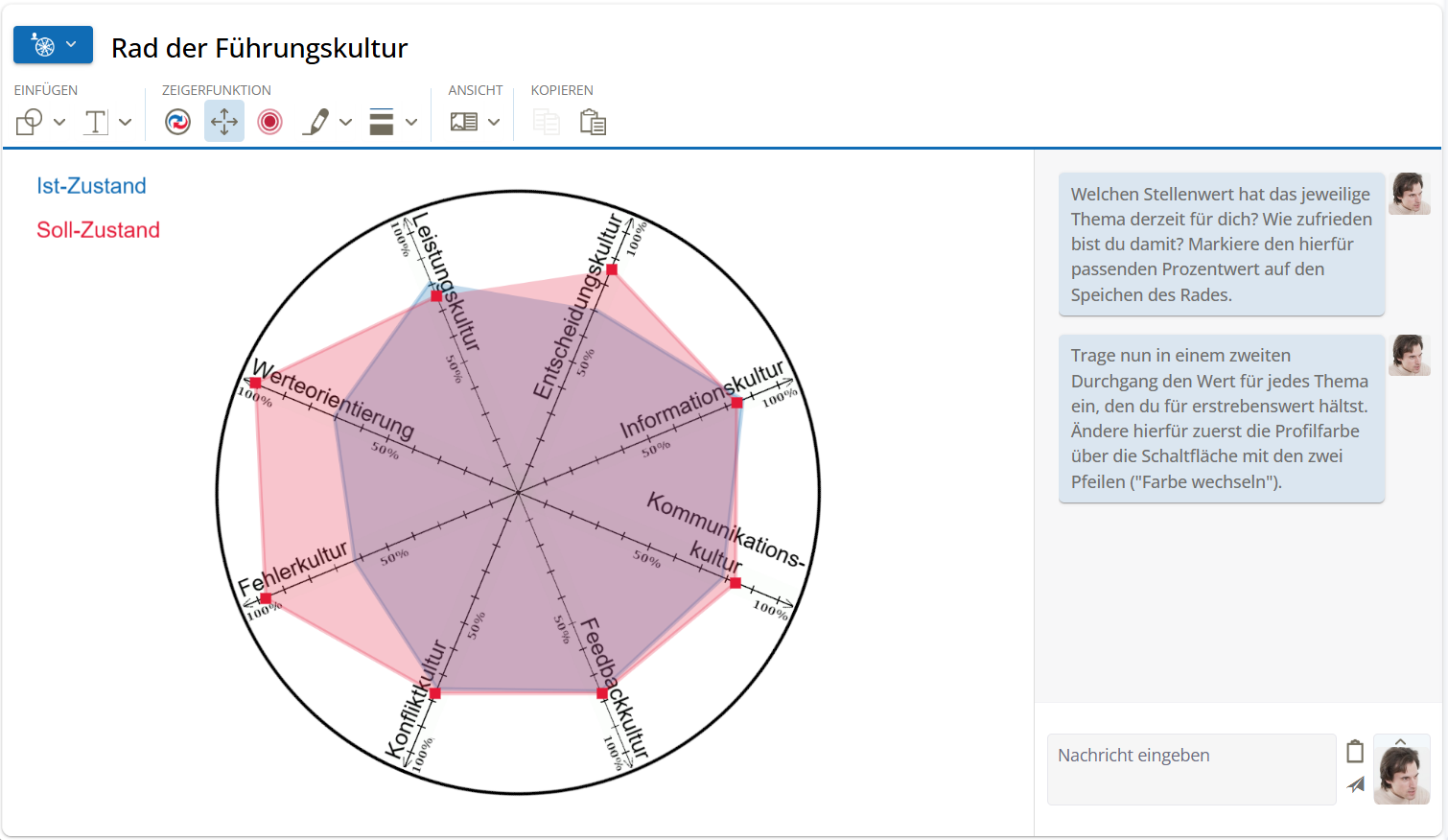
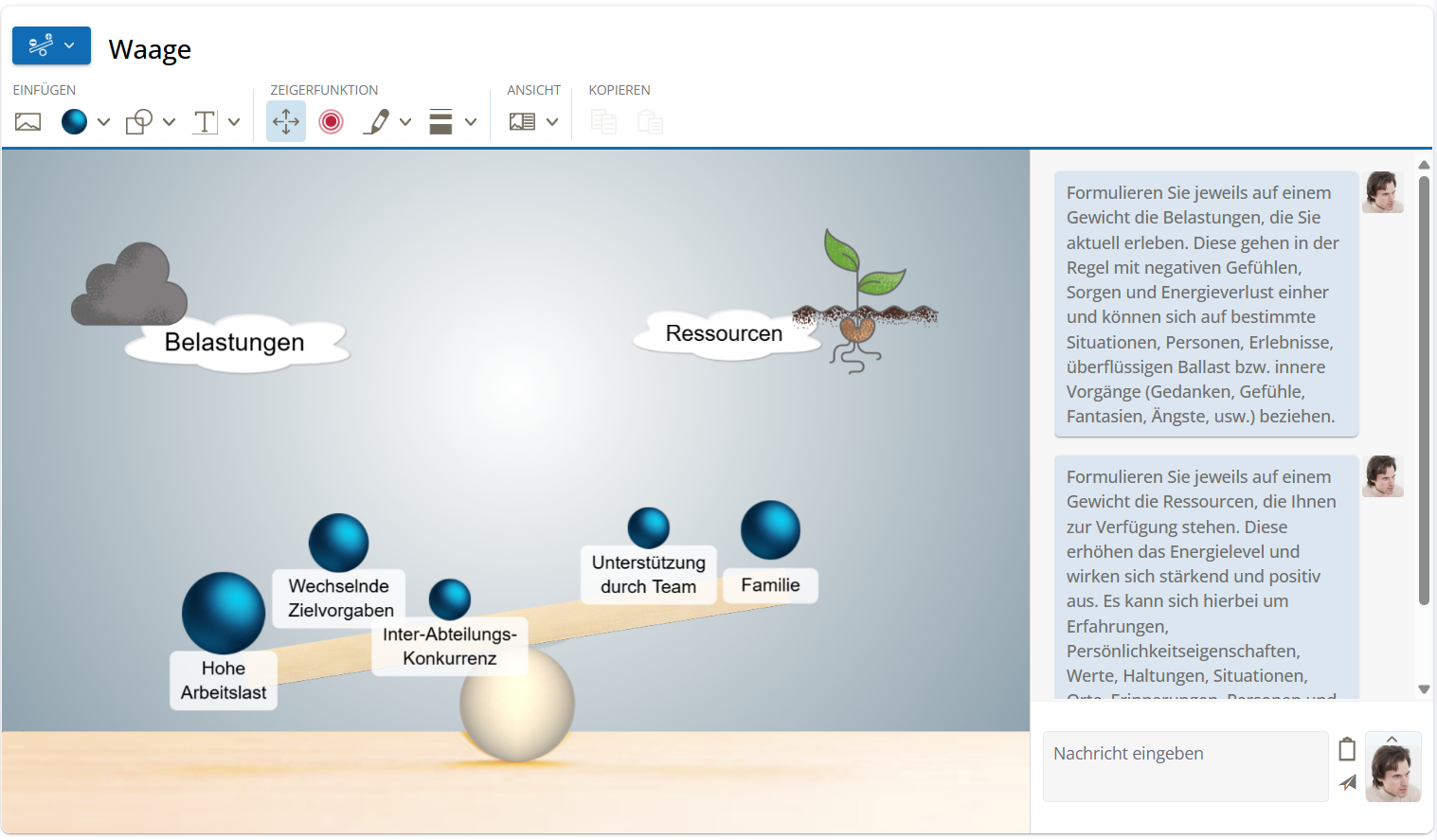
Regular conversations with employees – not as a boring obligation, but as a valuable dialogue for all involved? The Employee Interview Format contributes to this with specialized tools.
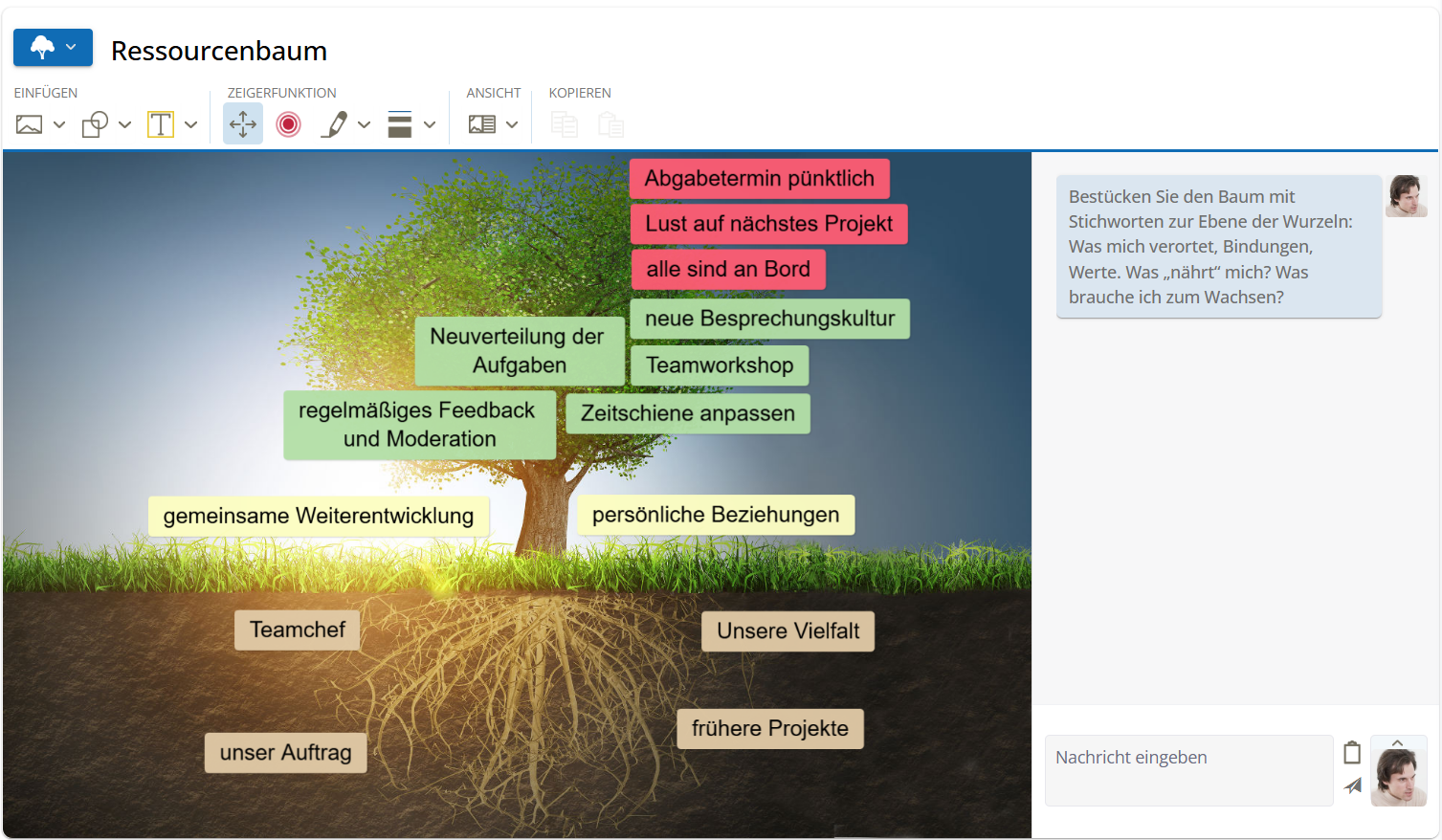
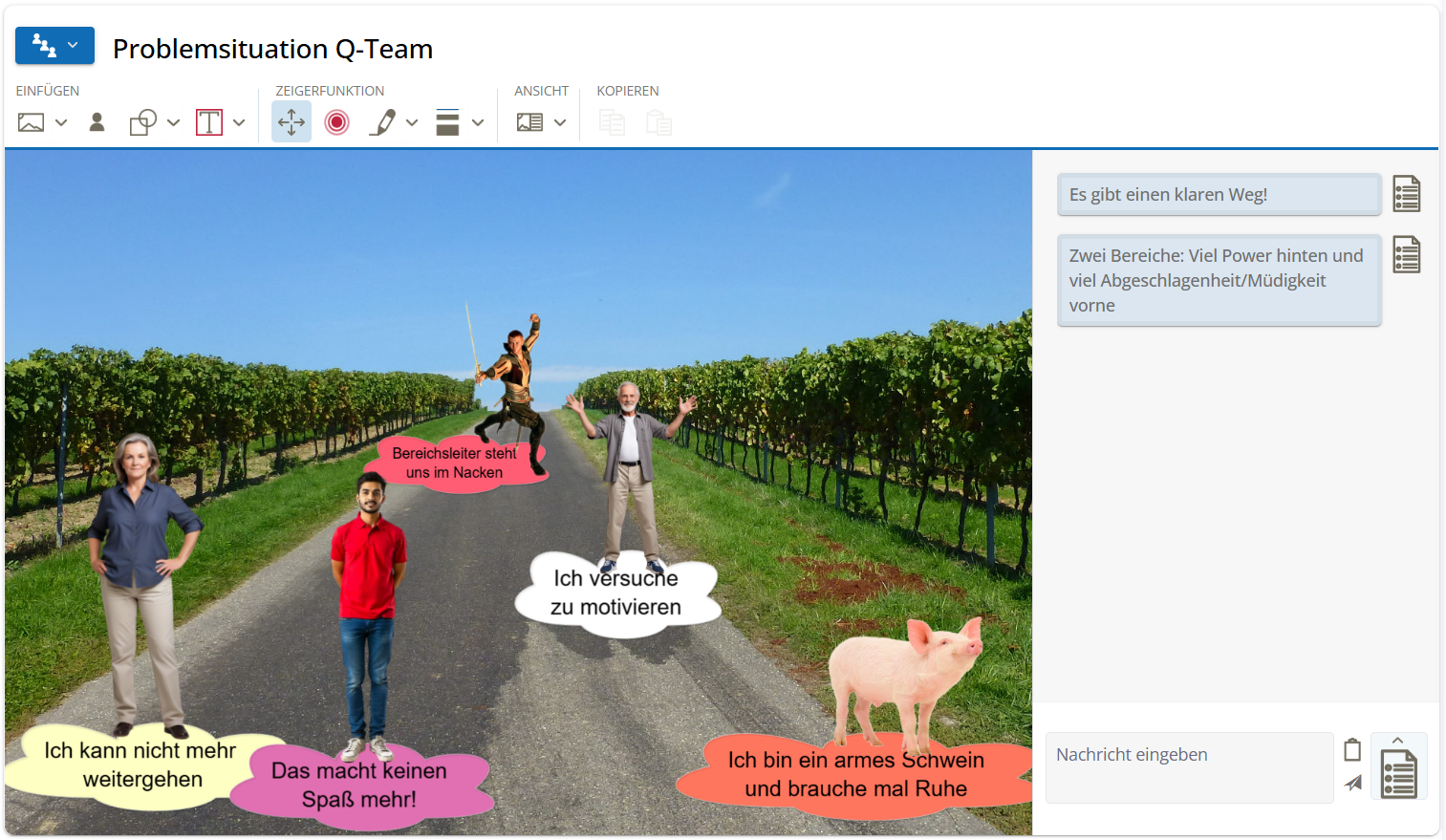
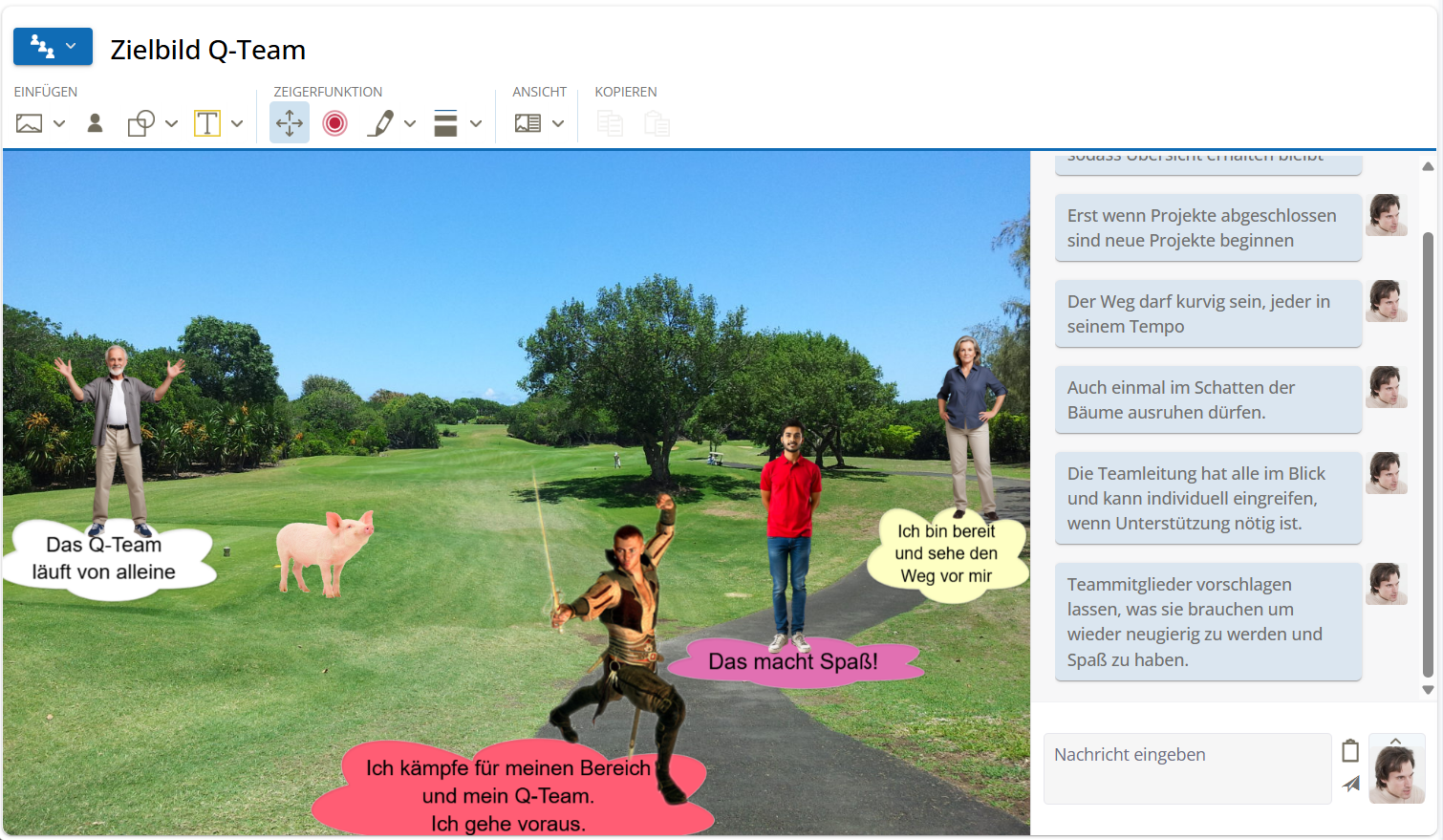
Team Development
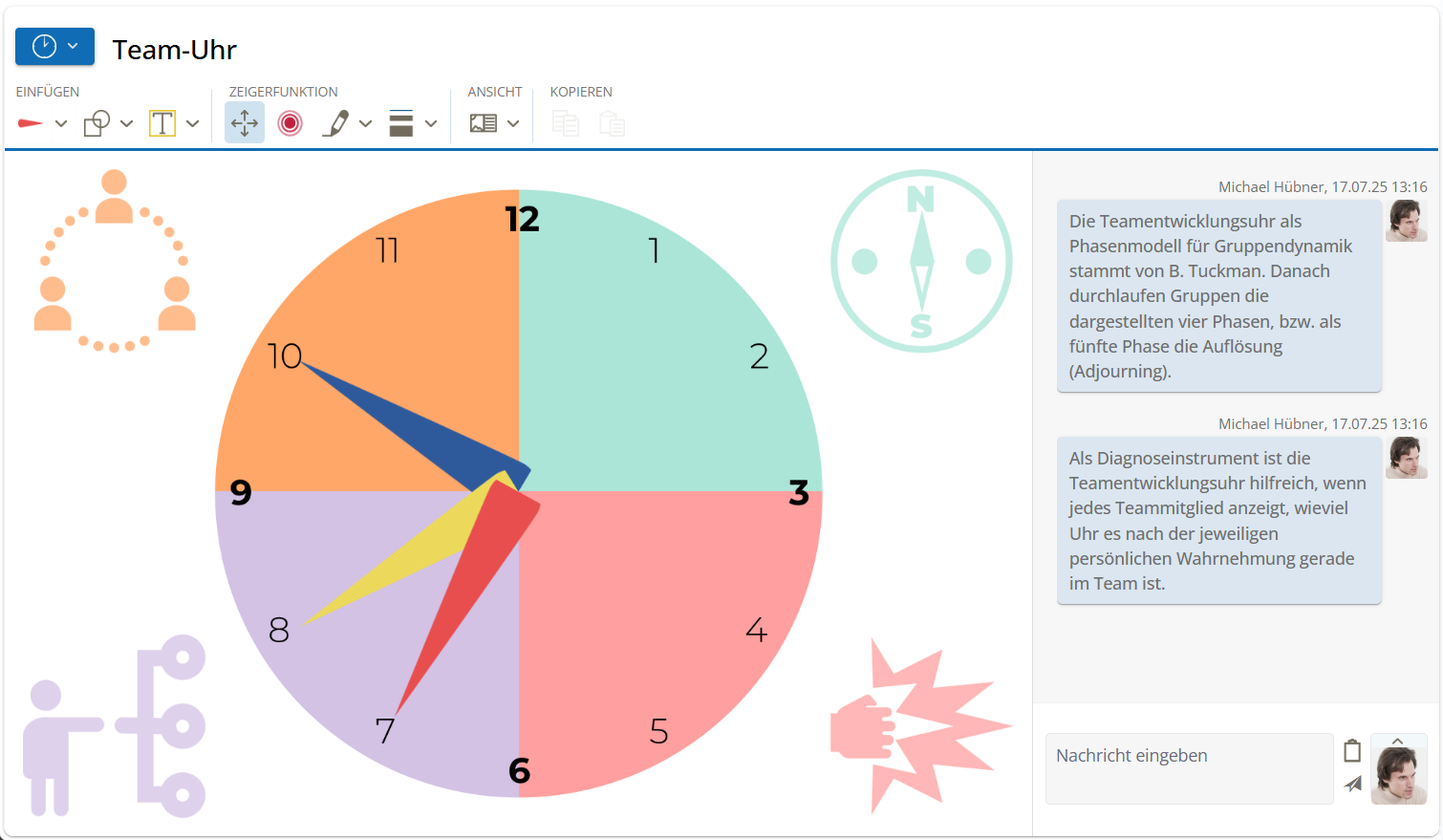
CAI® World helps you build and develop teams. The Team Development format offers valuable support to keep your team productive and competent in any situation.
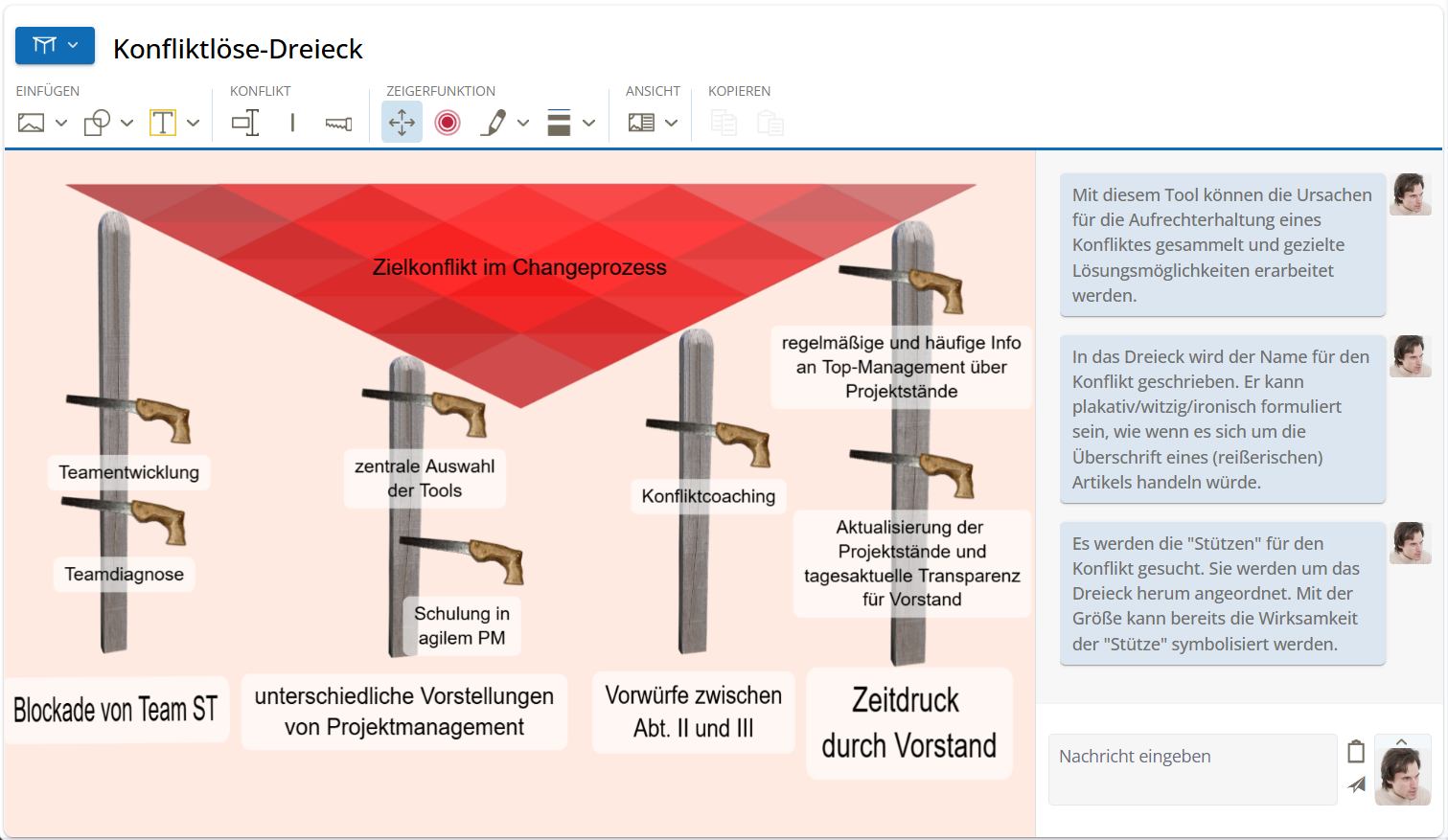
Conflict Resolution
Even in the digital world, tensions between team members can arise. This is a particular challenge, especially when people are located in different places. Here too, CAI® World safely guides leaders through the digital resolution process.
Agile Working
Agile and digital work requires flexible methods and clear structures. With formats such as Retrospective and Design Thinking, CAI offers proven processes and versatile tools that help teams continuously learn, think creatively, and develop solutions together. These formats are a real relief for anyone who wants to implement agile principles effectively.
More Formats
CAI® World offers a wide range of formats that specifically support leadership, collaboration, and personal development – from agile methods to coaching formats to solution-oriented team dialogues.
You can find an overview of all available formats here.
How Does Digital Leadership Succeed?
To successfully implement digital transformation, organizations need well-thought-out strategies and leaders with special competencies to execute them.
The leadership level is particularly important when it comes to involving, motivating, and developing employees in the digital transformation process. This involves a specific leadership culture, a new understanding of roles, and the acquisition of competencies.
In addition to competence development, CAI® World offers specific, professional processes and tools designed for practical implementation in everyday digital leadership.
These include tools for leading distributed teams, employee dialogues, agile management, design thinking, conflict management, team development, problem-solving, and transfer support.
In addition to the mentioned tools and formats, CAI® World provides secure spaces for communication and collaboration with efficient management options for memberships and documents.
Don’t hesitate – take the first step toward digitalizing leadership in your organization with CAI® World.
CAI® Leader
Digital tools for modern leadership, team processes, and creative solutions.
CAI® Leader
from €29.95 per month
(Price plus VAT)
New: discounted annual rate with 2 free months
Variety of tools plus 1 format:
component_exchange Employee Dialogue
Additional available starting from Medium:
component_exchange Situation Room
component_exchange Design Thinking
component_exchange Value Proposition Canvas
component_exchange Retrospective
component_exchange Team Development
component_exchange Conflict Management

CAI Leader: Digitale Führung mit visueller Klarheit
CAI® Leader unterstützt Digital Leadership durch eine einzigartige Kombination aus fundierter Methodik und intuitiven grafischen Tools. Diese Werkzeuge machen komplexe Zusammenhänge sichtbar, fördern strategisches Denken und erleichtern die Kommunikation in Transformationsprozessen. Ob zur Analyse von Führungsstrukturen, zur Entwicklung digitaler Kompetenzen oder zur Steuerung von Veränderungsprozessen – CAI® Leader bietet eine Plattform, die Führungskräfte befähigt, Klarheit zu schaffen und wirksam zu handeln. Hier eine Auswahl einiger Tools, die Sie auf Ihrem Weg zur digitalen Exzellenz begleiten.
Mitarbeitendengespräch
Regelmäßige Gespräche mit Mitarbeiterinnen und Mitarbeitern nicht als langweilige Pflicht, sondern als gewinnbringendes Gespräch für alle Beteiligten? Das passende Format Mitarbeitendengespräch trägt mit spezialisierten Tools dazu bei.
Team Development
Die CAI® World hilft Ihnen dabei Teams aufzubauen und weiterzuentwickeln. Das Format Team Development bietet wertvolle Hilfestellungen, damit Ihr Team produktiv bleibt und in jeder Situation kompetent agieren kann.
Konfliktlösung
Auch in der digitalen Welt kann es zu Spannungen zwischen Teammitgliedern kommen. Das ist eine besondere Herausforderung, gerade dann, wenn man sich lokal betrachtet an verschiedenen Orten befindet. Auch hier begleitet die CAI® World Führungskräfte sicher durch den digitalen Lösungsprozess.
Agiles Arbeiten
Agiles und digitales Arbeiten erfordert flexible Methoden und klare Strukturen. Mit Formaten wie der Retrospektive und Design Thinking bietet CAI praxisbewährte Prozesse und vielseitige Tools, die Teams dabei unterstützen, kontinuierlich zu lernen, kreativ zu denken und gemeinsam Lösungen zu entwickeln. Diese Formate sind eine echte Erleichterung für alle, die agile Prinzipien effektiv umsetzen möchten.
Weitere Formate
CAI® World bietet eine Vielzahl an Formaten, die Führung, Zusammenarbeit und persönliche Entwicklung gezielt unterstützen – von agilen Methoden über Coaching-Formate bis hin zu lösungsorientierten Teamdialogen.
Eine Übersicht aller angebotenen Formate finden Sie hier.
Wie wird Digital Leadership erfolgreich?
Um die digitale Transformation erfolgreich durchzuführen, benötigen Organisationen durchdachte Strategien und Führungskräfte, die über besondere Kompetenzen verfügen, um diese umzusetzen.
Die Führungsebene ist insbesondere gefragt, wenn es darum geht, Mitarbeitende im digitalen Transformationsprozess zu beteiligen, zu motivieren und zu entwickeln. Damit gehen eine bestimmte Führungskultur, ein neues Rollenverständnis und der Erwerb von Kompetenzen einher.
Neben der Kompetenzentwicklung bietet die CAI® World spezifische, professionelle, auf die praktische Umsetzung im digitalen Führungsalltag ausgerichtete Prozesse und Tools an.
Hierzu gehören u.a. Tools zum Führen verteilter Teams, Mitarbeitendengespräche, agilem Management, Design Thinking, Konfliktmanagement, Teamentwicklung, Problemlösung und Transferunterstützung.
Die CAI® World bietet neben den genannten Tools und Formaten geschlossene Räume für sichere Kommunikation und Kollaboration mit effizienten Verwaltungsmöglichkeiten für Mitgliedschaften und Dokumente an.
Zögern Sie nicht und machen Sie mit der CAI® World den ersten Schritt zur Digitalisierung der Führung Ihrer Organisation.
Mehr als Software

Nicht allein gelassen.
Coaching-Methodik meistern:
Jetzt Kompetenz sichern!
Support
Do you have questions about CAI® World or would you like to gain some experience yourself? The choice is yours:
➔ Personal consultation
➔ Public online tour (German)
➔ Free trial account
Made in Germany
Security you can trust.
Maintain your data sovereignty through secure operation in either Germany or Switzerland.


Background Knowledge on Digital Leadership – Make Your Leadership Future-Proof
New technologies have permeated all areas of life. The internet is omnipresent. Shopping, banking, entertainment – everything is available online anytime, anywhere.
In the private sphere, digital transformation is well advanced. In the business context, digitalization is also a major topic, and digital transformation continues to progress steadily. It is expected that digitalization will accelerate further, bringing significant changes. Examples include:
- Shorter product life cycles, requiring more agility and flexibility to keep up with market demands.
- Changing customer requirements, necessitating the development and implementation of innovative processes and business models for future success.
- Different expectations from employees toward employers. Previously, monetary aspects were key; today, employees expect more flexible working time and location models and greater participation. Due to the growing shortage of skilled workers, employers must offer more to attract and retain talent.
In summary, future success requires proactively addressing these challenges. This calls for a new leadership approach that incorporates these factors and leverages them to the organization’s advantage. Digital transformation needs Digital Leadership.
Digital Leadership – What Is It?
So far, Digital Leadership has not really arrived in companies. This is partly because there is no uniform definition, making it difficult to develop viable concepts for practical implementation.
Despite the lack of a unified definition of Digital Leadership as a new and digital form of leadership, many researchers and experts agree that there are several core elements that this leadership style must include, stemming from changes in technology and society brought about by digital transformation.
These core elements include:
- Appreciation and trust as central leadership values
- Democratization of decisions and decision-making in networks
- Opportunities for employee development and growth
- Focus on agility and flexibility
- Technologies and their use as a central pillar of leadership
Based on this, Digital Leadership can be defined as follows:
Digital Leadership is leadership through media that professionally uses the possibilities of virtual collaboration and online communication to manage organizations, enables agile, goal-oriented leadership processes with appropriate media tool support to achieve organizational goals, creates the necessary IT infrastructure, and empowers employees and teams to design their tasks independently and media-competently, network via media, exchange ideas in a trusting manner, and continue to develop.
(Prof. Dr. Elke Berninger-Schäfer in Digital Leadership 2019, p. 76)